
Phone: (818) 651-7587
Phone: (818) 651-7587
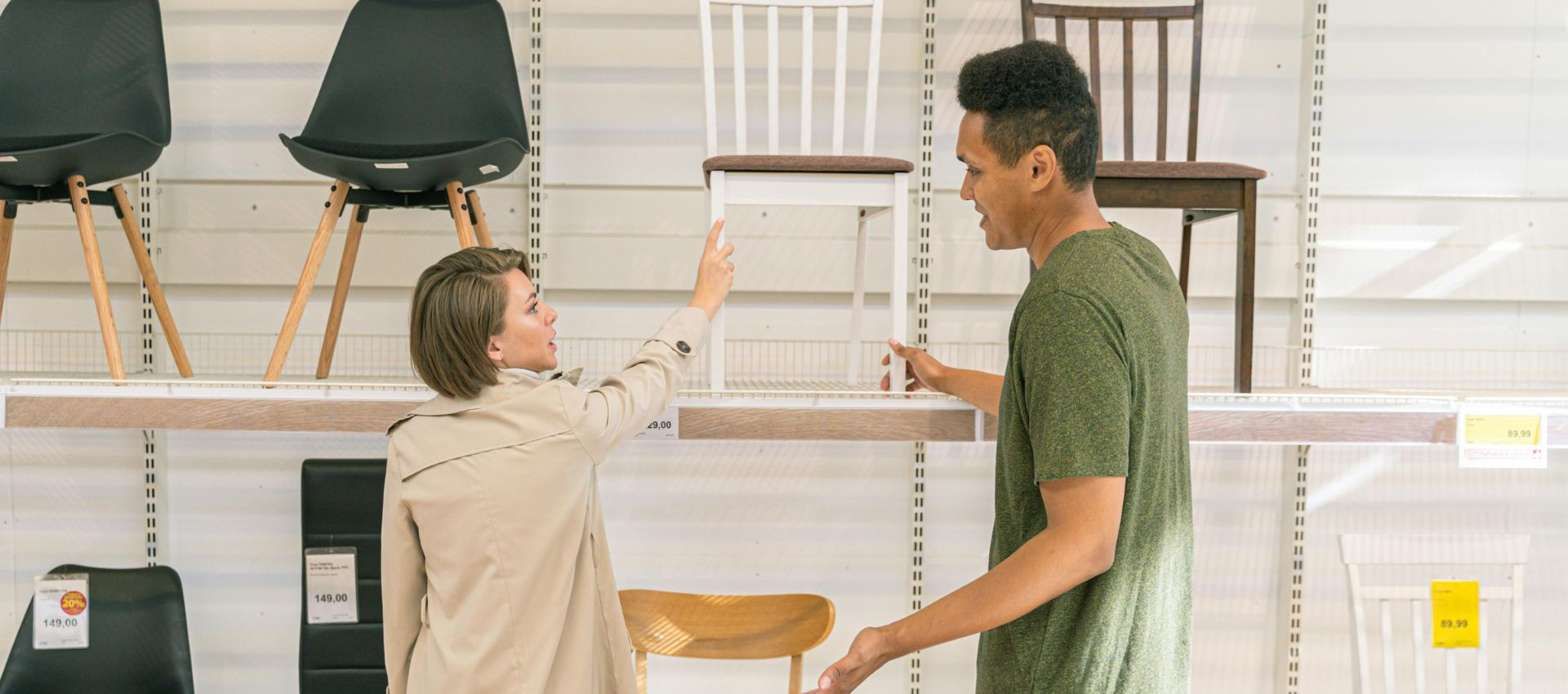
The furniture industry is undergoing a significant transformation in 2026. While rising mortgage rates, economic uncertainty, increasing advertising costs, and changing consumer behavior have created new challenges, they have also opened the door for furniture retailers willing to embrace strategic digital marketing.
Today's consumers spend more time researching online before making a purchase. They compare prices, read reviews, explore financing options, and evaluate competitors before stepping into a showroom. As a result, furniture store marketing requires a sophisticated approach that combines SEO, Google Ads, social media marketing, local search optimization, retargeting campaigns, and customer retention strategies.
For furniture retailers, success is no longer about generating website traffic alone. The goal is to generate qualified leads, increase showroom appointments, improve conversion rates, and maximize return on advertising spend.
Home purchases and relocations have traditionally driven furniture sales. However, higher mortgage rates and slower housing turnover have reduced the number of consumers furnishing entire homes.
Fewer first-time homebuyers are entering the market
As a result, furniture retailers must shift their marketing strategies toward homeowners looking to improve their current living spaces rather than solely targeting new homebuyers.
Today's furniture buyers are more informed, cautious, and value-conscious. Before making a purchase, most consumers:
This behavior creates opportunities for furniture stores that invest in strong online visibility and lead-nurturing strategies.
Consumers continue to desire stylish, high-quality furniture. However, many are searching for affordable luxury rather than premium pricing. Furniture retailers that successfully communicate:
They are outperforming competitors that focus solely on luxury branding.
Search Engine Optimization (SEO) remains one of the most effective long-term investments for furniture retailers. When consumers search online for:
Your business must appear prominently in search results.
A fully optimized Google Business Profile helps increase visibility in local search results and Google Maps. Best practices include:
Accurate business information
High-quality showroom photos
Regular updates and promotions
Customer review generation
Product showcases
Furniture retailers with multiple locations should create dedicated landing pages targeting local search terms. Examples include:
These pages help improve local SEO rankings and attract nearby customers.
Educational blog articles can generate organic traffic and position your business as an industry authority. Popular topics include:
While SEO provides long-term visibility, Google Ads delivers immediate traffic and lead generation opportunities.
Consumers searching for furniture often have high purchase intent, making Google Ads one of the most effective advertising platforms available.
Schedule an Appointment for our Local SEO Optimization
Capture customers actively searching for furniture products and showrooms. Target keywords such as:
Performance Max allows furniture stores to reach consumers across:
Creating multiple opportunities to engage customers throughout the buying journey.
Many furniture buyers prefer speaking directly with a showroom representative. Call campaigns can generate:
Most furniture purchases require multiple customer interactions before conversion. Remarketing campaigns help re-engage website visitors and increase sales opportunities.
How to Increase Furniture Showroom Traffic
One of the biggest challenges facing furniture retailers is converting online shoppers into showroom visitors. The most successful retailers focus on appointment-driven marketing strategies.
Offer complimentary design consultations to help customers visualize furniture in their homes.
Interactive room planning tools can increase customer engagement and confidence.
Host showroom events featuring:
Special financing offers continue to be one of the strongest drivers of conversion in the furniture industry.
Furniture purchases often involve weeks of research and consideration. Many consumers visit a website multiple times before making a decision. Retargeting campaigns help keep your brand visible throughout this process.
Reconnect with website visitors as they browse other websites.
Show personalized ads featuring products customers previously viewed.
Send:
Text message campaigns often generate strong engagement rates and can drive immediate showroom visits.
Local SEO Strategies for Independent Furniture Stores
Independent furniture retailers can successfully compete with national chains by dominating their local markets.
Customer reviews significantly influence purchasing decisions and local rankings. Encourage satisfied customers to leave reviews after delivery and installation.
Local partnerships can create a consistent referral pipeline. Potential partners include:
Publish content targeting your community, including:
Every marketing campaign should be measured using clear performance indicators.
Cost Per Showroom Visit
How much does it cost to generate a showroom appointment?
Cost Per Qualified Lead
Measure the cost of generating potential buyers.
Appointment Booking Rate
Track how effectively your marketing converts traffic into appointments.
Store Visit-to-Sale Conversion Rate
Measure showroom effectiveness and sales performance.
Average Order Value
Identify opportunities to increase transaction size.
Return on Ad Spend (ROAS)
Determine the profitability of your marketing investments.
Emerging Opportunities in the Furniture Industry
Despite current challenges, several growth opportunities remain strong.
Consumers continue seeking premium aesthetics without luxury-level pricing. Retailers positioned between discount and high-end brands are capturing significant market share.
Homeowners are increasingly investing in:
Buy Now, Pay Later and promotional financing continue to improve conversion rates and average order values.
As traditional television viewership continues to decline, Connected TV (CTV) advertising has become one of the fastest-growing marketing channels for furniture retailers.
Connected TV advertising allows furniture stores to place video advertisements on streaming platforms such as Hulu, YouTube TV, Roku, Amazon Prime Video, Peacock, Disney+, Sling TV, and other streaming services. Unlike traditional television advertising, CTV provides advanced audience targeting, measurable results, and geographic precision.
Furniture purchases are highly visual and often involve significant consideration before a customer visits a showroom. Connected TV enables retailers to showcase products, room designs, customer testimonials, financing offers, and seasonal promotions in a highly engaging format. Benefits of Connected TV Advertising include:
Promote new living room, bedroom, dining room, and outdoor furniture collections through professionally produced video advertisements. Seasonal Sales Campaigns:
Showcase:
Independent furniture stores can use Connected TV advertising to compete with national brands by increasing visibility throughout their local service area.
The most effective furniture store marketing strategies combine Connected TV advertising with local SEO, Google Ads, retargeting campaigns, and social media marketing. A multi-channel approach allows furniture retailers to:
This integrated strategy creates multiple customer touchpoints and increases overall marketing effectiveness.
Successful Connected TV campaigns should measure:
Furniture retailers that combine Connected TV advertising with SEO, Google Ads, and local marketing often experience stronger brand recognition, increased showroom traffic, and improved conversion rates compared to businesses relying on a single advertising channel.
Most successful furniture retailers invest between 5% and 12% of annual revenue into marketing, depending on growth goals, competition, and market size.
This balanced structure ensures furniture retailers are not dependent on a single channel and can capture customers across the entire buying journey.
Investing in SEO for furniture stores is one of the highest long-term ROI strategies. Typical SEO Investment Range:
Google Ads remains the fastest way to generate qualified leads for furniture showrooms.
Recommended Monthly Google Ads Budget
Connected TV (CTV) is becoming a powerful upper-funnel strategy for furniture retailers.
To understand marketing effectiveness, furniture retailers should measure full-funnel ROI, not just clicks or impressions.
To improve search rankings, this section should also target:
Primary Keywords
Long-Tail Keywords
Furniture retailers that succeed in 2026 are not simply spending more—they are spending smarter. The most effective strategy is a multi-channel performance marketing system:
Together, these channels create a predictable and scalable furniture store growth system.
Furniture retailers need more than advertising. They need a complete marketing system that generates leads, nurtures prospects, increases showroom traffic, and improves customer retention. EPRIZ 7 provides comprehensive marketing solutions designed to help furniture retailers grow in competitive markets. Services include:
By combining digital marketing, branding, advertising, and customer engagement strategies, furniture retailers can create sustainable growth while maximizing return on investment.
Furniture store marketing in 2026 requires a strategic combination of SEO, Google Ads, local marketing, retargeting, showroom optimization, and customer retention.
The retailers that succeed will be those that focus on generating qualified leads, increasing showroom appointments, improving customer experience, and tracking measurable marketing performance.
The greatest opportunity is not simply attracting more website visitors. It is converting online researchers into showroom visitors, loyal customers, and long-term brand advocates.
Businesses that invest in proven furniture marketing strategies today will be better positioned to dominate their local markets and drive profitable growth in the years ahead.