
Phone: (818) 651-7587
Phone: (818) 651-7587
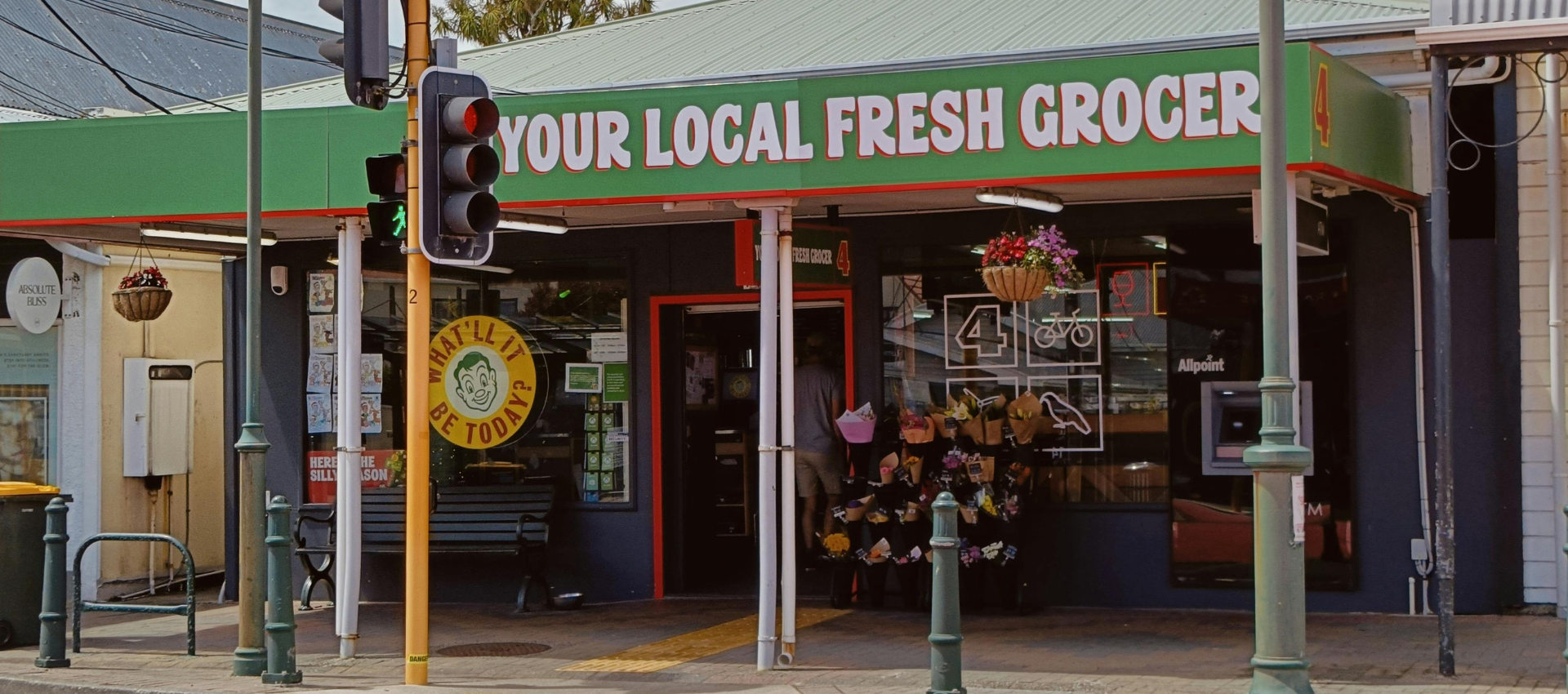
In today's competitive digital marketplace, businesses need more than a website to attract customers. They need to be visible when potential customers search for products and services, discover local businesses, and look for solutions to their needs. Two powerful digital marketing strategies that work together to achieve this are Local SEO and Google Ads.
Local SEO helps businesses improve visibility in local search results, while Google Ads lets them reach potential customers through targeted paid advertising. Combined strategically, these services can increase online visibility, generate qualified leads, and create more opportunities for customer growth.
Local Search Engine Optimization (Local SEO) is the process of improving a business's online presence so customers can find it when searching for products or services in a specific geographic area.
For example, someone searching for "dentist near me," "mailbox rentals in Woodland Hills," or "digital marketing services near me" is looking for a business that can meet their local needs. Local SEO helps businesses compete for this type of search visibility.
Important components of Local SEO include:
A well-managed Local SEO strategy can help customers discover a business through local search results, Google Maps, and organic search listings.
Google Ads is a paid advertising platform that lets businesses display ads to people searching for relevant products and services. Businesses can create campaigns designed to reach potential customers based on factors such as search terms, geographic location, and other targeting settings.
For example, a local roofing company may use Google Ads to reach people searching for "roof repair near me." A dental office may advertise services to people searching for "family dentist in Woodland Hills."
Unlike organic SEO, which generally takes time to build visibility, paid search advertising can help you appear in eligible ad placements soon after a campaign launches. However, results depend on competition, budget, ad quality, targeting, and landing page effectiveness.
How Local SEO and Google Ads Work Together
Local SEO and Google Ads serve different purposes, but combining them creates a more comprehensive digital marketing strategy.
When customers search for a local business, they may encounter several types of results, including paid advertisements, local business listings, map results, and organic website listings.
Google Ads offers paid placement opportunities, while Local SEO improves a business's eligibility and visibility in relevant unpaid local and organic search results.
Using both strategies lets a business pursue visibility through multiple search channels rather than relying on a single traffic source.
For example, a local plumbing company may use Google Ads to promote emergency plumbing services while optimizing its website and Google Business Profile for ongoing local search visibility.
Not every customer is ready to contact a business immediately. Some are researching options, while others are ready to buy or schedule an appointment.
Local SEO can help businesses attract people researching services and comparing local providers. Google Ads can help businesses reach people searching for specific services or expressing immediate purchase intent.
Consider a customer searching for a personal injury attorney. Their journey might include:
A combined strategy can support visibility throughout this journey by connecting informative content, local business information, and targeted advertising with relevant customer needs.
Google Ads campaigns can provide useful insights into customer search behavior, including which search terms drive clicks, inquiries, or other valuable interactions.
Businesses can use these insights to identify topics and services that deserve attention in their organic marketing strategy.
For example, a home improvement company may discover that customers frequently search for "kitchen remodeling contractor near me." This insight could support creating or improving a dedicated kitchen remodeling service page, relevant website content, and local optimization efforts.
Paid search data doesn't automatically guarantee organic rankings, but it can inform keyword research and content planning.
Customers want to know that a business is legitimate, accessible, and capable of meeting their needs.
Local SEO helps keep business information accurate and supports the discovery of reviews and business details. Google Ads can direct potential customers to relevant service pages where they can learn more about the company.
A consistent experience across advertisements, website content, business listings, and customer communications can make it easier for potential customers to take the next step.
Important information to keep consistent includes:
Benefits of Combining Local SEO and Google Ads
A business that invests in both organic search optimization and paid advertising can pursue customer opportunities through multiple channels.
Depending on the business and campaign, leads may come through phone calls, website forms, appointment requests, quote inquiries, or visits to a physical location.
The objective is not simply to increase website traffic. It is to attract relevant potential customers and make it easy for them to take action.
Google Ads allows businesses to adjust campaigns, budgets, targeting, and messaging based on performance and business priorities.
Local SEO provides a longer-term approach to improving online visibility through website optimization, local listings, and useful content.
Together, these strategies can support both immediate promotional objectives and ongoing organic marketing efforts.
Combining data from paid advertising, website analytics, and local search performance can help businesses understand how customers discover their services.
This information can support decisions about:
Effective marketing decisions should be based on performance data, not assumptions.
A coordinated strategy can connect advertising, search visibility, website content, and conversion opportunities into one marketing process.
For example, a local dental practice might use Google Ads to promote new-patient appointments, Local SEO to improve visibility for dental services, and a conversion-focused website to encourage visitors to call or schedule an appointment.
Each component serves a different role while supporting the overall goal of attracting and converting customers.
How to Build a Local SEO and Google Ads Strategy
Start by identifying the customers your business wants to reach.
Consider:
A clear target audience helps guide both SEO content and advertising decisions.
Your website should clearly communicate your services, value proposition, contact information, and service areas.
Your Google Business Profile should accurately represent your business and provide useful information to potential customers.
Review your:
These foundational elements support a more consistent online presence.
Identify the search terms potential customers use to find your services.
Examples include:
Use keyword research and campaign data to identify relevant opportunities. Focus on search terms that match your services and customer needs.
Build campaigns around specific services, customer needs, and geographic targeting.
A strong campaign may include:
Avoid sending every advertisement to a generic homepage when a more relevant service page would provide a better customer experience.
Getting a click is only one part of the marketing process. The website must help visitors understand the offer and take the next step.
Effective landing pages should communicate:
Make calls to action clear and easy to find. Depending on the business, these may include "Call Now," "Request a Quote," "Schedule an Appointment," or "Contact Us."
Monitor performance to understand whether your marketing efforts are producing meaningful business outcomes.
Useful metrics include:
Not every click becomes a customer, and not every conversion has the same value. Businesses should evaluate lead quality and, where possible, connect marketing activity to actual sales or appointments.
Common Mistakes Businesses Should Avoid
When businesses manage these strategies without coordination, they may miss opportunities to align keyword research, website messaging, and customer targeting.
A unified strategy can help both channels support the same business goals.
An advertisement may attract a visitor, but a confusing or outdated website can make it difficult for that visitor to become a lead.
Ensure landing pages are relevant, mobile-friendly, easy to navigate, and designed to encourage meaningful customer action.
Incomplete or inaccurate business information can confuse customers and weaken your overall online presence.
Review your business profile regularly and keep important information current.
Traffic and clicks are useful indicators, but they don't tell the whole story.
Businesses should monitor whether marketing efforts lead to calls, inquiries, appointments, and sales opportunities.
Local SEO is an ongoing process. Improvements in visibility and organic performance may take time and depend on competition, website quality, relevance, and other factors.
Google Ads can provide paid advertising opportunities while organic optimization continues.
EPRIZ 7 helps businesses develop digital marketing and advertising strategies designed to improve online visibility, attract potential customers, and create opportunities for business growth.
Our marketing solutions include:
Since 2021, EPRIZ 7 has delivered projects ranging from website creation and management to marketing and advertising campaigns. Our approach connects digital marketing activities with business objectives, including increasing customer inquiries, appointments, and sales opportunities.
Local SEO and Google Ads can work together to help businesses improve their online presence and reach potential customers at different stages of the buying journey.
Local SEO supports ongoing organic visibility, while Google Ads provides targeted paid advertising opportunities. When combined with relevant website content, accurate business listings, conversion optimization, and performance tracking, these strategies can create a more comprehensive approach to customer acquisition.
Whether you operate a dental office, retail store, professional service company, or another local business, a coordinated marketing strategy can help you make better use of your online presence and advertising budget. Ready to improve your business's online visibility and attract more customer opportunities?
EPRIZ 7 can help you explore a marketing strategy that combines Local SEO, Google Ads, and digital marketing solutions tailored to your business goals.
Contact EPRIZ 7 to discuss your marketing and advertising needs.